

Atlanta Utility Works
We are proud to bring together the expertise and passion of Cultured South, Golda Kombucha, and Arches Brewing to create a premier destination for social gatherings and celebrations. Atlanta Utility Works is more than just a venue—it’s a beautifully restored historic space that combines charm and functionality. Featuring a vibrant taproom with a curated selection of craft brews and kombucha, we offer the perfect setting for both public and private events, where community can come together to create new memories.
Est. 1901
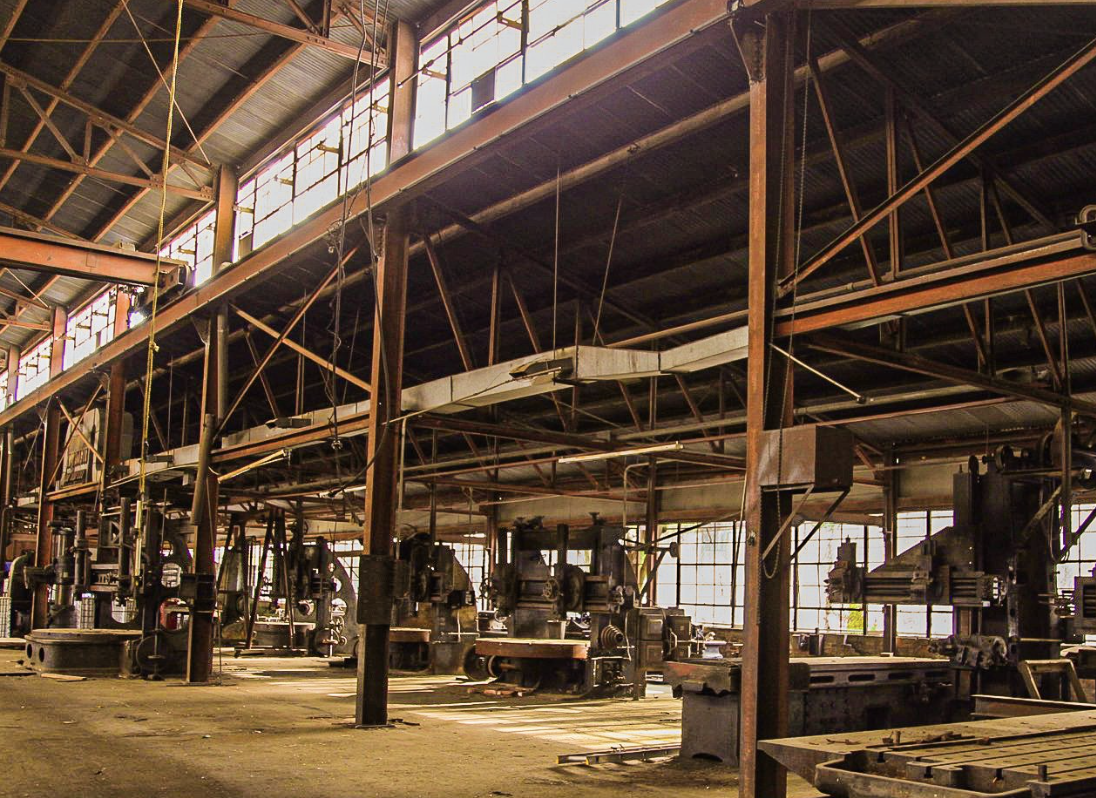
Atlanta Utility Works has a storied history dating back to the early 1900s as one of East Point, Georgia’s premier industrial hubs. Originally a manufacturing plant for farm equipment, fertilizer, and mill machinery, the site boasted a small foundry and a historic rail spur that traversed the property, enabling the transport of hand-crafted machinery to family farms across the nation.
More recently, this abandoned industrial gem has gained fame as a filming location for hit series like Ozark and Stranger Things, solidifying its place as a sought-after destination in the film industry. Today, Atlanta Utility Works is undergoing a remarkable transformation, blending its historic charm with modern innovation. The site is being preserved and revitalized as a brewery, taproom, and events space. The small foundry has been reimagined as Foundry Ruins, an intimate outdoor venue that celebrates the site’s rich history while offering a unique setting for unforgettable gatherings.


Party with History
The Cincinnati Press Brake
Behind the event bar stands a remarkable piece of Atlanta Utility Works’ industrial past: the Cincinnati Press Brake. Once used to shape heavy sheets of metal, this powerful machine applied tremendous pressure between a punch and die to bend flat metal into precise forms and components used in manufacturing. Today, it remains a striking reminder of the craftsmanship, engineering, and ingenuity that defined this historic facility. While its exact installation date remains unknown, the press brake offers guests a tangible connection to the generations of workers who helped shape Atlanta Utility Works into the industrial landmark it is today.
The Plate Roller
Positioned at the base of the event bar, the Plate Roller is a remarkable remnant of Atlanta Utility Works’ manufacturing history. This machine was designed to transform flat sheets of metal into curved and cylindrical forms by feeding them through a series of powerful rollers. The resulting shapes could be used in the construction of industrial equipment, containers, and machinery components. Today, the Plate Roller serves as a striking reminder of the ingenuity and hands-on craftsmanship that once powered production within these walls.
Hoisting Equipment
High above the main warehouse floor, remnants of Atlanta Utility Works’ original hoisting equipment remain suspended among the rafters. These powerful lifting machines were designed to move massive pieces of metal, machinery, and industrial components throughout the facility. By allowing workers to transport heavy materials overhead, the equipment helped facilitate the complex process of manufacturing and assembling industrial machinery. Though now quiet, these towering artifacts offer a glimpse into the scale, engineering, and industrious spirit of the factory's working years.
Niles Tool Works Boring & Turning Mill
Located within the event space, the Niles Tool Works Boring & Turning Mill represents the precision engineering that was essential to Atlanta Utility Works’ manufacturing operations. This substantial machine was used to enlarge and finish holes in large metal components, ensuring that individual parts could be accurately fitted together during assembly. Its work was critical to producing functional, reliable machinery, where even small measurements mattered. Today, this impressive piece of equipment stands as a testament to the technical skill and industrial innovation that helped define Atlanta Utility Works.

“We've made remarkable strides in the beautification & preservation of this once overgrown and forgotten factory. I'm excited to bring the site back to agriculture and make memories with the community.”
— Melanie Style, Founder & CEO


